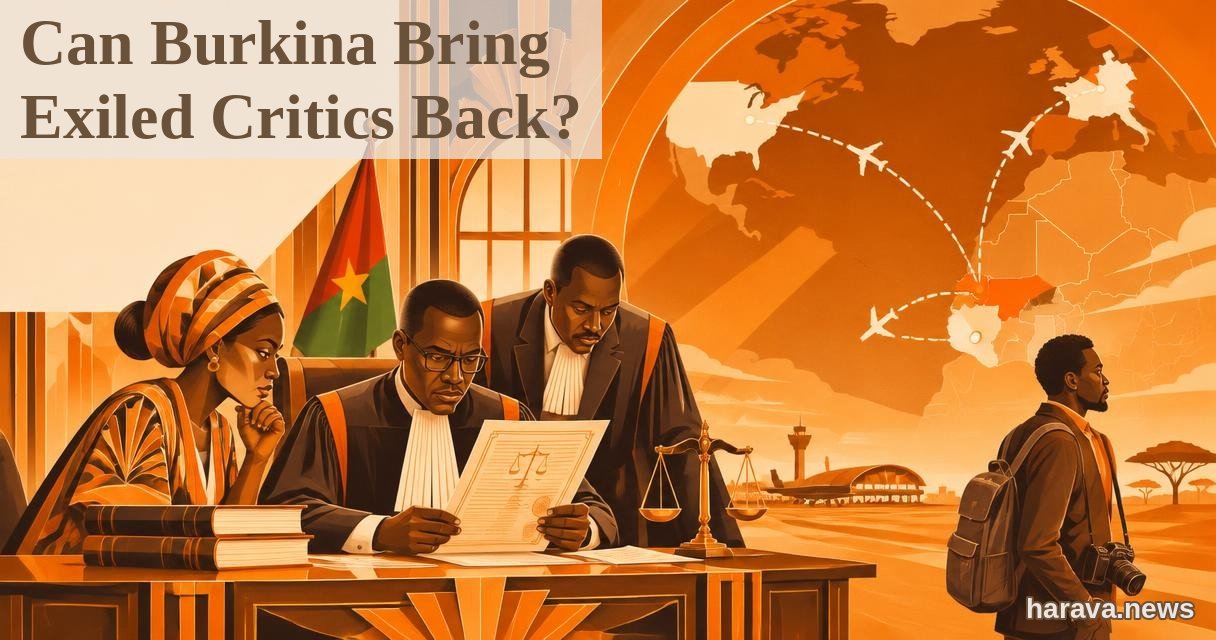
Burkina Faso’s 21 warrants target exiled journalists, activists and officials, but foreign governments will decide whether to act on extradition requests.
Who is named in the warrants
On November 13, prosecutor-general Désiré Sawadogo announced 14 arrest warrants accompanied by extradition requests, plus seven other warrants. The investigations involve more than 45 people and legal entities. Those named include RFI commentator Newton Ahmed Barry and former foreign minister Djibril Bassolé, along with other journalists, former military officers and online activists.
Prosecutors allege links to terrorist groups, terrorism financing and content that promotes or justifies violence. The cases include suspected complicity in terrorist plots, terrorism financing, weapons offences and “glorification” of terrorism. Other accusations include defamation, inciting rebellion, undermining the armed forces’ morale and contempt of public authority. These are allegations, not findings of guilt, and the public account did not give case-specific evidence for each person.
Why the cases draw scrutiny
Barry was separately convicted in absentia in 2023 of defaming the defense minister. He told PEN America he had not been notified of the proceedings and learned of the conviction through a state news report. That case is distinct from the new terrorism allegations.
Burkina Faso has faced an armed insurgency since 2016, and military authorities say countering it is a national priority. Since the military took power in a 2022 coup, press and opposition activity have also faced growing pressure. Human Rights Watch and Amnesty International have documented arrests, media suspensions and the forced conscription of journalists and critics.
In May 2026, authorities suspended the country’s largest student union after it criticized the government’s security record. Prosecutors invoked offences including glorifying terrorism and demoralizing security forces. This history does not prove the new cases are unfounded, but it means the use of security laws against journalists and political critics will be closely examined.
What foreign governments can do
An extradition request does not require another country to return someone. France, where some of those sought are reported to live, has an extradition convention with Burkina Faso. It requires the alleged conduct to meet a minimum seriousness threshold under both countries’ laws and bars extradition in specified cases, including when a request is considered political or there are serious grounds to believe someone is being pursued for political opinions. The prosecutor says requests also went to Côte d’Ivoire and the United States, where each country will apply its own legal process.
An “international warrant” does not mean police everywhere must arrest someone. An INTERPOL Red Notice, if sought and issued, asks police to locate and provisionally arrest a person; it is not an international arrest warrant, and countries decide what their laws permit. Reports on the announcement do not establish that Red Notices have been issued. Those named could face arrest in a country acting on a request and lengthy legal challenges.
What happens next
The cases may deepen concern among Burkina Faso’s newsrooms and opposition that reporting or criticism can be treated as a security offence. Receiving governments must assess the requests and supporting material; no extradition decision was reported with the announcement.
Burkina Faso’s prosecutors have also said they want Meta’s help identifying administrators of pages accused of glorifying terrorism. Whether foreign authorities cooperate, and how they distinguish evidence of violent crimes from protected political speech, will shape what happens to the targets and how far the campaign reaches beyond Burkina Faso.