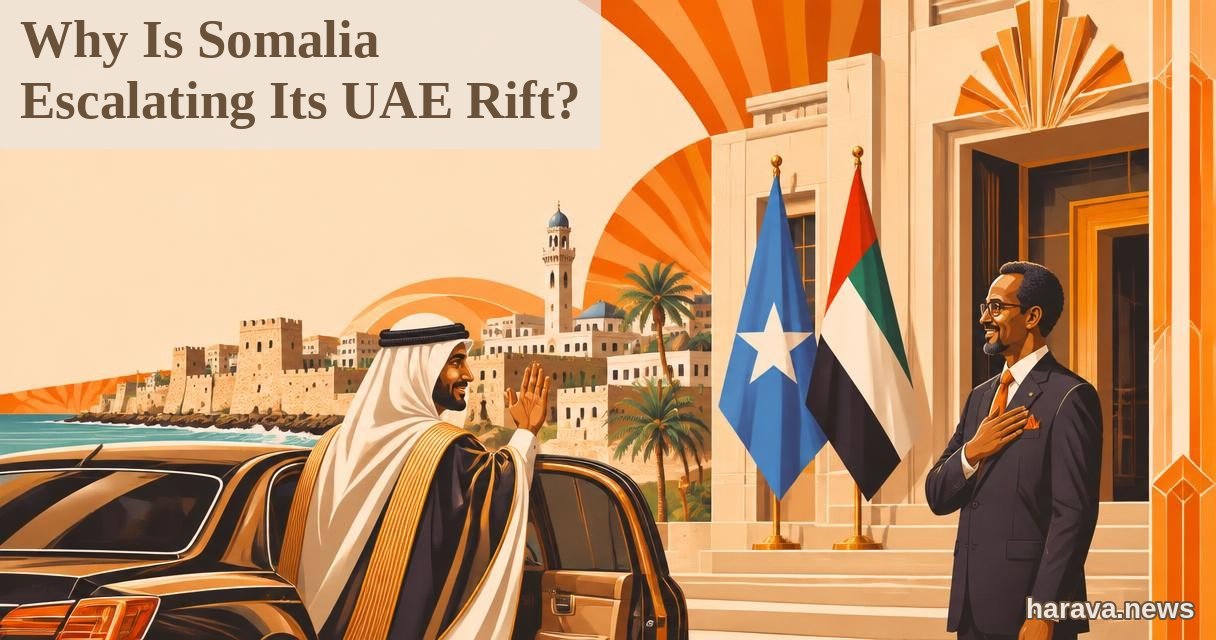
On Nov. 19, Somalia gave the UAE’s ambassador 72 hours to leave, accused Abu Dhabi of violating its sovereignty and recalled its own envoy.
A sharp diplomatic dispute
Information Minister Abdifatah Kasim Mohamud accused the UAE of violating Somalia’s sovereignty but named no new incident. Two days earlier, President Hassan Sheikh Mohamud accused Abu Dhabi of backing regional governments opposing Mogadishu and helping establish forces outside national command.
The UAE called the order hostile and said Mogadishu was dragging it into an internal power struggle. Abu Dhabi said it had closed its Mogadishu embassy and withdrawn staff in January, leaving the order’s practical effect unclear.
An unfinished federal settlement
After the central government collapsed in 1991, regional administrations built institutions, security forces and revenue sources. The 2012 provisional constitution created a federal system but left the division of powers and resources unresolved.
The UAE developed business and security ties with Somaliland, Puntland and Jubaland around ports in Berbera, Bosaso and Kismayo. Abu Dhabi seeks commercial footholds on shipping routes and influence in the Horn of Africa. Mogadishu says such deals bypass the federal government and help regional administrations fund their independence.
Earlier breaks and what is at stake
In January, Somalia canceled UAE port and security deals. Officials linked the move to reports that Yemeni separatist leader Aidarous al-Zubaidi traveled through Somali territory on a UAE-registered aircraft without proper authorization. A Somali official called this one reason, amid wider frustration over UAE ties to regional administrations. Some Somalis believe the UAE helped enable Israel’s recognition of Somaliland in December 2025, but this remains an allegation.
The federal government says it must approve foreign agreements, oversee security forces and govern national territory. Regional leaders reject Mogadishu’s cancellations, saying it cannot void their deals. Reuters, citing senior Somali sources, reported the UAE still paid salaries and provided logistics for about 3,400 Somali military police and special forces in and around Mogadishu. A cutoff could hurt both sides, including Somali forces fighting al-Shabab.
A difficult test ahead
The dispute is unfolding during a domestic power struggle. Somalia’s Supreme Court ruled President Hassan Sheikh Mohamud’s term had expired and called for elections within 90 days; the government rejected the decision. This does not establish that domestic politics caused the expulsion.
The test is whether Mogadishu can require foreign port and security deals to go through the federal government. If the UAE’s account is accurate, the ambassador’s departure may be mostly formal; the harder test is whether regional administrations change their dealings with Abu Dhabi. A quick return to normal ties looks uncertain.