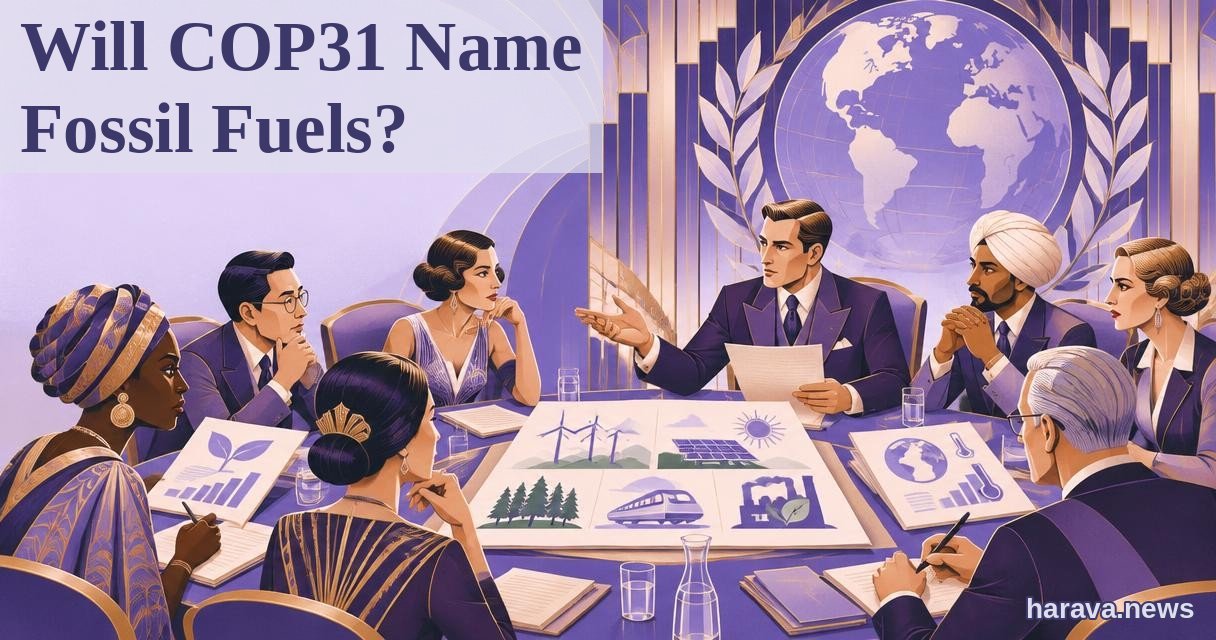
The latest COP31 draft recalls an earlier climate deal but leaves fossil fuels unnamed and sets no plan to move beyond them.
How the draft changed
At COP28 in Dubai in 2023, countries agreed for the first time to transition away from fossil fuels in their energy systems in a just and orderly way, without setting country-by-country deadlines. The latest COP31 text broadly refers to the “UAE Consensus” but does not repeat that pledge or mention coal, oil, gas or a phaseout. It would not erase the earlier agreement, but shows governments have not agreed to make its direction more explicit.
Australia and Türkiye’s first draft offered two options: reaffirm the Dubai pledge or call for an immediate transition away from fossil fuels. A shorter draft released on Thursday removed both. Reporting from the talks linked the change to objections from Saudi Arabia and other major oil and gas producers. The latest version, published early Sunday, again omits a phaseout but retains a 2035 goal to raise electricity’s share of global energy use and an ambition to expand carbon capture.
Why countries disagree
Major producers such as Saudi Arabia and Russia have traditionally opposed language that limits fossil fuels. Large developing economies, including India, have resisted firm targets they see as limiting national energy choices and development. An Indian climate activist told RFI that mistrust of wealthy countries, along with a shortfall in finance and support for poorer nations, makes demands for a faster transition harder to accept.
The first draft proposed $120 billion for climate adaptation, but later versions dropped the figure, angering developing countries that say emissions cuts must be matched with help to withstand climate impacts. The latest text keeps broader finance language and backs carbon capture. Supporters say the technology can reduce industrial emissions; critics fear it could prolong fossil-fuel use. The electricity target could also be met with power from coal or gas unless clean sources are specified.
What happens next
COP decisions are generally made by consensus, giving holdouts leverage. Panama has said it will formally object to a deal without fossil-fuel language; one country’s formal objection can prevent adoption. France, Panama and other countries from Europe, Africa, Latin America and the Pacific have pressed for stronger text. As of early Sunday, Nov. 22, the draft was awaiting the closing plenary. The presidency hopes it can win agreement, but adoption is not assured. If it passes unchanged, it will set no new shared phaseout timetable; if countries reject it, the talks could end without a deal.