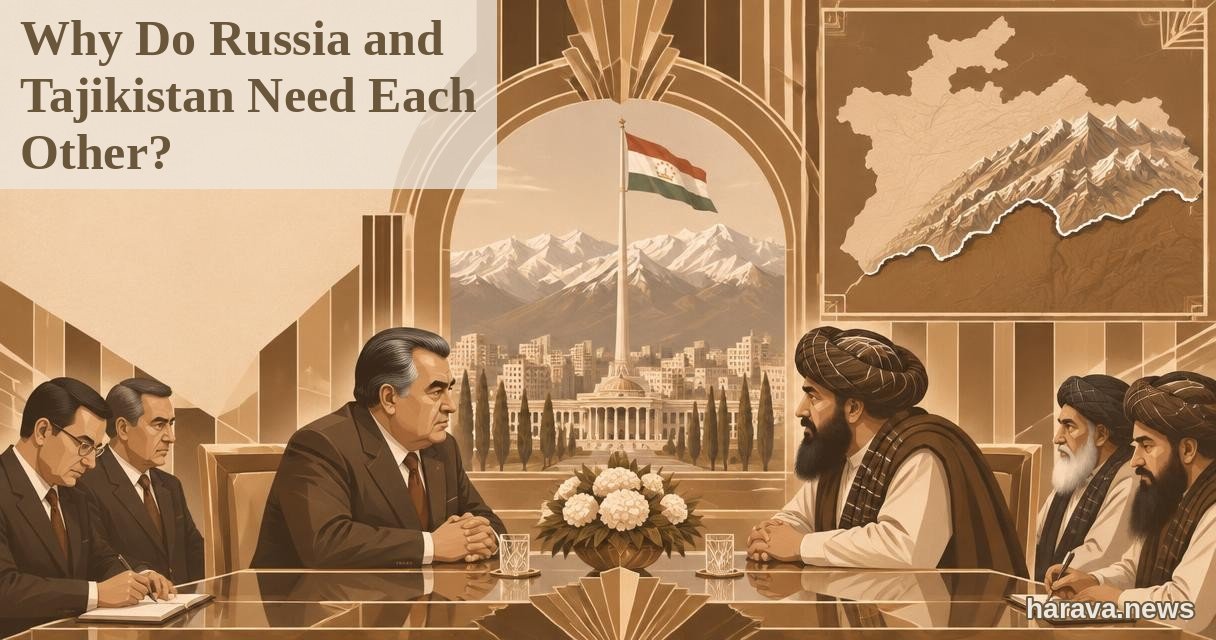
Putin and Rahmon’s November 20 meeting in Dushanbe showed how security cooperation and economic ties keep Russia and Tajikistan closely linked.
Security ties and the Russian base
Tajikistan shares a long, mountainous border with Afghanistan, where border control is difficult. In December 2025, Tajik authorities reported several armed incursions and clashes; more than a dozen people, including Chinese workers, were killed in the attacks and fighting. These incidents make cooperation on border security, intelligence and drug trafficking important, and give Rahmon reason to seek help from Russia, a powerful neighbor with established military links in Tajikistan.
Russia’s 201st Military Base is the clearest sign of this relationship, but the November talks did not create a new lease. A 2012 agreement allows Russia to keep troops in Tajikistan until 2042 and links that arrangement to Russian support for modernizing Tajikistan’s armed forces and training its personnel. Both leaders were reported to support the base’s continued presence after the talks. Putin said they would discuss it outside the Collective Security Treaty Organization framework, showing the importance of direct talks between the countries; that alone does not signal a break with the organization. No new extension or expansion was announced.
The base also gives Moscow a lasting military presence in Central Asia and a role in security discussions near Afghanistan. It supports Moscow’s claim to be a regional security partner, although Tajikistan’s border concerns also involve other powers and local forces. Russian defense officials joined the discussions, suggesting the leaders wanted practical military coordination as well as public reassurance.
Jobs, remittances and trade
Tajik workers rely heavily on Russian jobs, and remittances support households and the wider economy. The World Bank puts remittances at 57.7% of Tajikistan’s GDP in 2025. Access to Russian jobs and the ability to send money home are matters of national economic security for Rahmon’s government. Four days before the summit, the EU sanctioned Unistream, a transfer service used by Tajik migrants. The sanctions did not automatically stop transfers in Tajikistan, but local reporting said they could make some transactions harder. Tighter Russian migration rules add uncertainty.
Putin said bilateral trade rose more than 25% in 2025 and nearly 19% in the first nine months of 2026. He also pointed to links between more than 70 Russian regions and Tajikistan. Rahmon publicly called Russia a strategic partner and reliable ally. But Dushanbe still has room to maneuver: it wants to keep Russian security and economic ties while limiting the risks of relying on one partner.
What may happen next
The next steps are less certain than the leaders’ public message of continuity. Tajikistan’s official account said migration issues still needed constructive attention but gave no specific solution. Public statements also disclosed no new base deal. The most likely next step is continued work by defense and economic officials on existing arrangements, rather than a dramatic change in Russia’s military presence. That is an assessment, not an announced timetable. The test is whether Moscow can remain useful to Dushanbe on security and livelihoods while Rahmon secures cooperation without letting reliance on Russia become a single point of vulnerability.