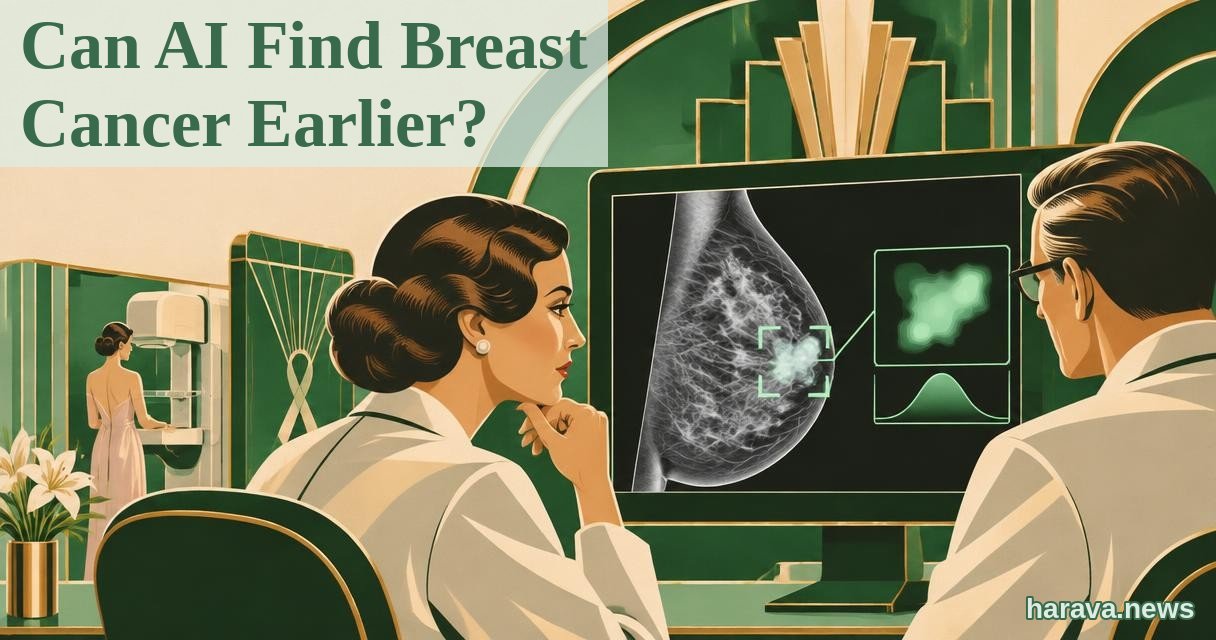
The NHS has begun a large real-world trial testing whether AI can help read mammograms without making breast screening less safe.
Why the trial matters
In the UK, two trained readers independently check each mammogram. Women aged 50 to 71 are invited every three years, and the programme carries out about 2.1 million screenings a year. Double reading can find cancers the first reader missed and reduce unnecessary recalls, but it takes specialist time, and some cancers appear between screening rounds.
The Royal College of Radiologists’ 2025 census estimated that the UK had 32% fewer clinical radiologists than needed for current demand. The figure covers radiology broadly, not only breast screening. NHS leaders say AI could free clinicians for other diagnostic and cancer-care work, but this is a possible benefit, not a proven result.
What EDITH will test
The trial, called EDITH, will compare three approaches. Public announcements say nearly 700,000 women will be invited; the study protocol targets 660,000 participants at about 30 UK screening centres. Participants are assigned by clinic day to the existing two-reader system, one human reader followed by AI checking, or AI sorting scans by risk before a human reads them.
In the AI-sorting group, higher-risk scans get two human reads. Every scan still receives human review, and NHS staff retain clinical decisions. Recruitment began in Cambridge on 23 November, with other centres expected to open in the coming months.
How researchers will judge it
Researchers will compare the number of cancers found and the number of women called back for more tests. More cancers detected could also mean more women without cancer face follow-up appointments, anxiety and extra tests. The protocol says AI must not raise the recall rate by more than 0.2 percentage points compared with standard practice.
The team will also examine cancer types and sizes, staff workload, costs, and whether performance differs by age, ethnicity, income or breast density.
What earlier research shows
In Sweden’s 106,000-woman MASAI trial, AI-supported screening found 29% more cancers and cut radiologists’ image-reading workload by 44%. The final analysis reported 12% fewer cancers diagnosed between screening rounds, with no increase in false positives. These results do not show what will work in the NHS: screening schedules and workflows differ, and EDITH is testing different AI tools. Some slow-growing cancers might never have caused harm.
The screening appointment will not change, and women can opt out. The first main analysis is planned within the project’s four-year timetable. A fuller check of cancers missed at screening needs later follow-up and, according to the protocol, depends on additional funding. Positive results would inform decisions about wider use, not trigger an automatic national rollout.