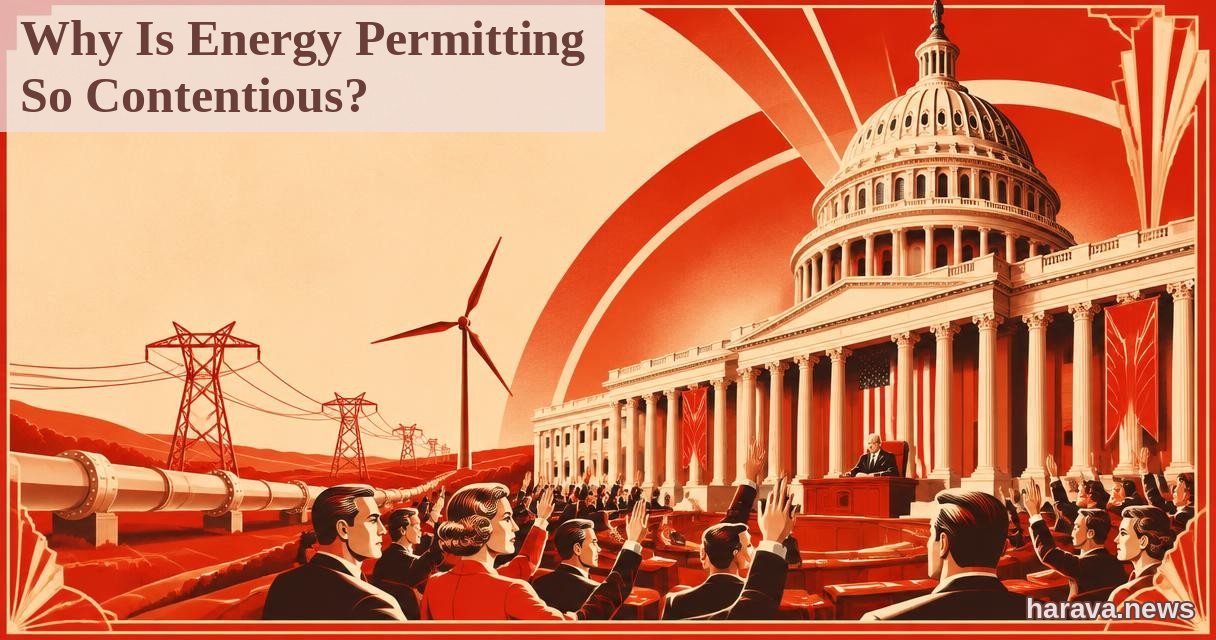
The Senate’s 73–25 vote on Nov. 9 advanced a procedural step for the Bipartisan American Affordability and Jobs Act, but did not pass the bill.
Why supporters want faster reviews
Supporters say overlapping federal reviews, environmental analysis and public consultation can leave energy projects facing years of uncertainty. They argue that delays deter investment and slow energy production and power lines, as electricity demand grows, including from data centers.
The National Environmental Policy Act, or NEPA, requires environmental effects to be examined before federal decisions; it does not decide whether a project should proceed. Attempts at broad reform have repeatedly stalled over how much review and public input to keep.
What the bill would change
The package would change rules under NEPA, the Clean Water Act, the Endangered Species Act and historic-preservation law. It aims to set clearer review deadlines, give approved projects more certainty and limit some legal challenges.
It also includes planning and permitting rules for electric transmission lines, and requires large data centers to cover grid costs tied to their power needs. The changes could help renewable projects connect to the grid sooner and ease approvals for pipelines, power plants and mines.
How the bipartisan deal came together
Republican negotiators Shelley Moore Capito and Mike Lee have stressed faster construction and more predictable approvals. Democrats Martin Heinrich and Sheldon Whitehouse say transmission reforms can bring clean power to customers and data-center cost rules can protect households from grid expenses.
The four senators negotiated for months and released their deal on Sept. 30, just before the Senate’s pre-election recess. After Democrats won control of both chambers in the Nov. 3 elections, supporters had less time to move the bill before the next Congress begins.
Who could benefit, and who has concerns
Energy project developers could benefit from shorter reviews and fewer late-stage legal challenges. Supporters say consumers might benefit if more energy supply and grid capacity ease costs, and if data centers cover more of the expenses they cause; these outcomes are not guaranteed.
Environmental groups warn that narrower reviews and legal remedies could weaken protections for communities, water and wildlife. Tribal advocates say historic-preservation rules could limit meaningful consultation about culturally important places. The Nov. 7 substitute amendment followed feedback, but some critics still oppose the bill.
The next steps in the Senate
President Trump backed the package but said during the Senate debate that he would not approve wind turbines. Some Democrats questioned whether the bill’s promise of greater certainty for permitted projects would help renewables if the administration opposes them. Democrats who voted to advance it have also said they may seek changes, particularly on tribal consultation.
As of Tuesday, Nov. 10, the Senate was scheduled to resume consideration of whether to take up the measure, with roll-call votes expected. If senators agree, amendments and a separate final-passage vote remain. Negotiators have promised an amendment process, but changes could cost Republican support. The House must also approve the bill before it can become law. Congress’s term ends in January.